



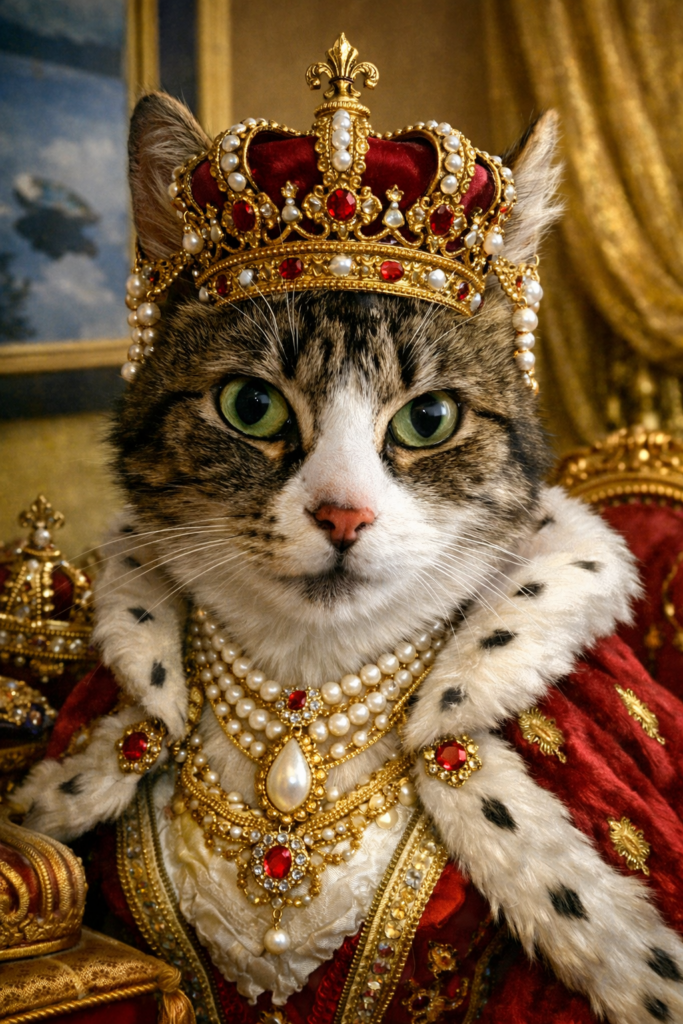
Cats are one of the most popular pets in the world, loved for their personalities, independence, and companionship. While all domestic cats share certain traits, different breeds can vary greatly in appearance, temperament, grooming needs, and energy levels. Whether you are looking for a playful family pet, a calm lap cat, or an active and intelligent companion, understanding the differences between breeds can help you choose the right cat for your lifestyle.
Persian Cats
Persian cat are known for their long, luxurious coats and calm personalities. They are often described as gentle, affectionate, and relaxed cats that enjoy peaceful environments. Persians are ideal for owners looking for a quiet companion, but their thick fur requires regular grooming to prevent matting and tangles.
Because of their flat faces, some Persian cats can also experience breathing or eye-related health issues, so responsible breeding and regular veterinary care are important.
Maine Coon Cats
Maine Coon are one of the largest domestic cat breeds and are famous for their friendly, dog-like personalities. They are intelligent, playful, and often enjoy interacting with both people and other pets.
Their thick coats help them cope with colder weather, although they still benefit from regular brushing. Maine Coons are often a good choice for families due to their social and tolerant nature.
Siamese Cats
Siamese cat are instantly recognisable thanks to their striking blue eyes, short coats, and distinctive colour points. Siamese cats are highly vocal and social, often forming strong bonds with their owners.
They are energetic, curious, and intelligent cats that enjoy attention and mental stimulation. Owners considering a Siamese cat should be prepared for a pet that likes to be involved in daily life and may not enjoy being left alone for long periods.
British Shorthair Cats (BSH)
British Shorthair are a popular breed in the UK, well known for their round faces, dense coats, and calm temperament. They are affectionate without being overly demanding and tend to adapt well to indoor living.
British Shorthairs are generally low-maintenance cats with easy-going personalities, making them suitable for both families and older owners looking for a relaxed companion.
Bengal Cats
Bengal cat are famous for their wild-looking spotted coats that resemble miniature leopards. Despite their exotic appearance, Bengals are domestic cats with energetic and playful personalities.
They are highly intelligent and require plenty of stimulation, toys, and interaction to prevent boredom. Bengal cats are often best suited to active households that can provide enrichment and play opportunities.
Ragdoll Cats
Ragdoll are large, affectionate cats known for their relaxed nature. Many Ragdolls enjoy being held and will often go limp in their owner’s arms, which is how the breed got its name.
They are generally gentle, sociable, and good with children, making them a popular family pet. Their semi-long coats need regular grooming but are usually easier to maintain than those of Persian cats.
Sphynx Cats
Sphynx cat stand out due to their hairless appearance. Despite lacking fur, they are warm, affectionate cats that crave attention and companionship.
Because they do not have a protective coat, Sphynx cats require regular skin cleaning and need protection from extreme temperatures. Their outgoing personalities make them popular with owners seeking an interactive and unusual pet.
Mixed Breed Domestic Cats
Not all cats belong to a recognised pedigree breed. Mixed breed or moggy cats can make fantastic pets and often combine a variety of traits and appearances. Many rescue centres are filled with loving mixed breed cats looking for homes. Sally, the cat in the picture, is one of my two cats, and is an example of a moggy. She and her sister Dotty are seven now.
Adopting from a rescue organisation can provide a second chance to a cat in need while offering owners a loyal and rewarding companion.
Choosing the Right Cat Breed
Before bringing a cat home, it is important to consider factors such as:
- Grooming requirements
- Activity levels
- Temperament
- Compatibility with children or other pets
- Indoor or outdoor lifestyle
- Potential health concerns
- Long-term costs of care
Every cat is an individual, and personality can vary even within the same breed. Spending time with a cat before adoption or purchase can help ensure a good match between pet and owner.
Conclusion
Domestic cat breeds come in many shapes, sizes, and personalities, from calm and cuddly Persians to energetic Bengals and affectionate Ragdolls. Understanding the characteristics of different breeds can help prospective owners make informed decisions and provide the best possible care for their feline companions.
Whether choosing a pedigree kitten or adopting a rescue cat, responsible ownership, proper veterinary care, and a loving home are the foundations of a happy life for any cat

Comments